Pest service
Wasp & Hornet Control
A wasp or hornet nest near a doorway or play area is a real sting risk. Call and describe where the nest is, and you will be connected with an independent pest control provider serving your area.
Your call is connected to an independent pest control provider, subject to availability in your area.
Common signs
- Paper nests under eaves, decks or railings
- Yellow jackets flying in and out of a hole in the ground or a wall
- Large gray football-shaped nests in trees or shrubs
- Steady wasp traffic near a gap in siding or soffit
- Wasps indoors near windows
- Increased stinging insects around trash and food outdoors
What a technician typically checks
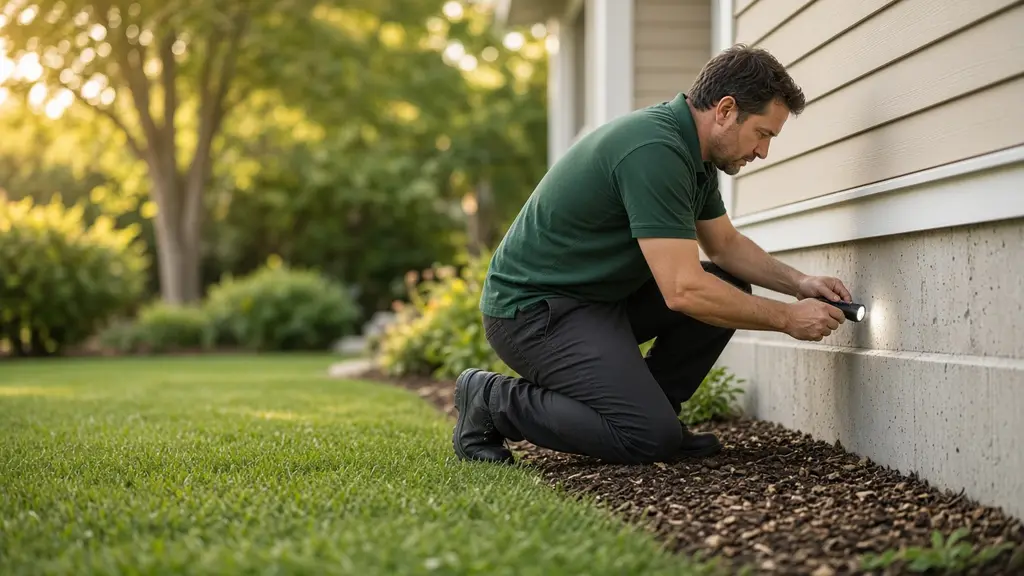
A technician typically identifies the insect and nest location and explains how the nest can be treated and removed safely, including nests hidden in walls or underground.
Before the visit
Keep people and pets away from the nest, do not seal a nest opening in a wall (they may chew inside), and do not try to knock nests down. Anyone with a sting allergy should keep well away.
Frequently asked questions
Can I remove a wasp nest myself?
Small, exposed nests are sometimes handled by homeowners, but hidden, large or high nests and yellow jackets are best left to a professional.
Are honey bees treated too?
Honey bee swarms and hives are usually relocated by a beekeeper rather than treated. Ask about the specific situation when you call.
When are wasps most active?
Colonies grow through summer and are often largest and most defensive in late summer and early fall.
Where to call from
Wasp & Hornet Control by state
- Alabama
- Alaska
- Arizona
- Arkansas
- California
- Colorado
- Florida
- Georgia
- Idaho
- Illinois
- Indiana
- Iowa
- Kansas
- Kentucky
- Massachusetts
- Michigan
- Minnesota
- Mississippi
- Missouri
- Nebraska
- New Mexico
- New York
- Ohio
- Oklahoma
- Texas
Featured cities
Covered pests
Other pest services
- General Pest ControlOne call for common household pests inside and around the home.View service
- Ant ControlTrails in the kitchen, nests in walls, carpenter ants and fire ants.View service
- Cockroach ControlGerman, American and oriental cockroaches in kitchens, baths and basements.View service
- Spider ControlWebs, egg sacs and spiders in basements, garages and eaves.View service
- Bed Bug TreatmentBites, blood spots and bugs in mattresses, furniture and luggage.View service
- Termite ControlSwarmers, mud tubes and wood damage from subterranean and drywood termites.View service
- Rodent ControlMice and rats in attics, walls, kitchens and garages.View service
- Flea & Tick ControlFleas in carpets and pet areas, ticks in lawns and yard edges.View service
- Mosquito ControlYard mosquito treatments and finding standing-water breeding spots.View service